Why I'm Finally Adding a Rain Barrel to My Garden
(And You Might Want One Too)
GARDENING
7/7/20263 min read

I'll admit it—I used to think rain barrels were something only serious gardeners or homesteaders used. They seemed like one more thing to maintain, and I wasn't convinced they were worth the effort.
Then I started paying closer attention to how much water was pouring off my roof every time it rained. Gallons and gallons of perfectly good water were rushing down the driveway and into the storm drain while, just a few days later, I'd be standing outside with the hose watering my flowers.
That got me thinking...
Why not save some of that free water?
As it turns out, rain barrels are one of the easiest ways to save money, help your garden, and do something good for the environment—all without a lot of work.
It's Free Water!
Let's start with the obvious. Rain doesn't cost a thing.
Instead of turning on the hose every time your flowers start looking thirsty, you can use water that's already fallen from the sky. If you enjoy gardening as much as I do, that's a win.
It's especially satisfying during those stretches when it hasn't rained for a week or two. Having a barrel full of water waiting for you feels a little like finding money in your coat pocket.
Your Plants Will Thank You
If you've ever noticed how everything seems greener after a good rain, there's a reason.
Plants naturally love rainwater. It doesn't contain the chlorine that's added to most tap water, and it soaks into the soil beautifully. Whether you're growing tomatoes, hydrangeas, herbs, or hanging baskets, rainwater is about as natural as it gets.
Every Little Bit Helps
One rain barrel isn't going to solve the world's water problems—but it does make a difference.
Every gallon you collect is a gallon that isn't rushing into storm drains carrying dirt, fertilizer, and debris into nearby lakes and rivers. It's one of those small changes that feels good because you know you're doing your part.
Your Water Bill Might Surprise You
If you've ever looked at your summer water bill and wondered how it got so high, outdoor watering is often a big reason.
Using collected rainwater won't eliminate your bill, but it can definitely reduce how much tap water you're using, especially if you spend a lot of time watering flower beds, vegetable gardens, or containers.
They're Easier Than You Think
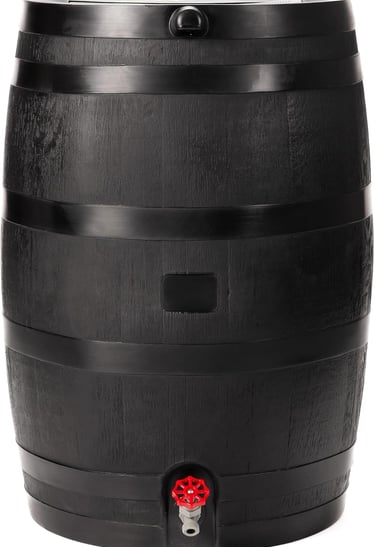
One thing that surprised me is how simple modern rain barrels are.
Many come ready to use with:
A screen to keep leaves out
A spigot for filling watering cans
An overflow outlet
The option to connect another barrel later
Once it's set up beneath your downspout, nature does most of the work.
A Few Things to Know
Like anything outdoors, rain barrels need a little attention.
You'll want to keep the screen clean, make sure mosquitoes can't get inside, and empty the barrel before winter if you live where temperatures drop below freezing.
Honestly, that's about it.
Would I Recommend One?
Absolutely.
Whether you're trying to save a little money, grow healthier plants, or simply waste less water, a rain barrel checks all the boxes.
Sometimes the simplest ideas are the best ones. Capturing rainwater is one of those ideas that's been around for generations, and it still makes perfect sense today.
I'm looking forward to putting one to use in my own garden this season. I have a feeling once I do, I'll wonder why I didn't start years ago.
Have you tried using a rain barrel? I'd love to hear what you think—or what you've learned along the way. Gardening is always better when we share ideas with each other.