Sewing Tools for Longevity
Small Investment for Decades of Use
SEWING
5/5/20263 min read
Sewing Tools That Actually Last (and Don’t Let You Down 6 Months In)
If you want sewing tools that will still be in your drawer 20 years from now, the formula isn’t complicated—solid metal construction, replaceable parts, and craftsmanship you can feel the second you pick it up. The difference is noticeable. The weight, the balance, the way things cut clean instead of fighting you.
Here are five tools that are worth buying once instead of over and over again.
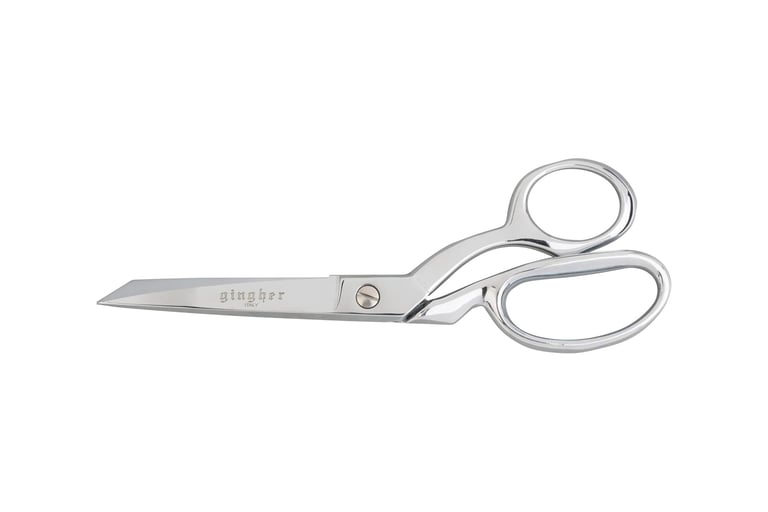
1. Heavy-Duty Tailor’s Shears (Fabric Scissors)
A good pair of shears changes everything. Not in a dramatic, life-altering way—but in that quiet, satisfying way where your fabric just… behaves.
Something like the SINGER ProSeries Forged Tailor Scissors is built from solid steel, which means you’re not tossing them when they dull—you’re sharpening them and keeping going. Years later.
Cheap scissors fold fabric. Good scissors slice through it.
Why they last: solid forged steel + sharpenable blades
One rule you don’t break: don’t cut paper with them. Ever. Not even once.
I actually write on the blade with a Sharpie: "Fabric ONLY"
2. Rotary Cutter (with Replaceable Blade)
If you sew anything in straight lines—or wish you could—a rotary cutter becomes one of those tools you reach for without thinking.
The Fiskars 45mm Rotary Cutter is a classic for a reason. The handle holds up, the grip stays comfortable, and when the blade dulls, you swap it out in seconds.
Why it lasts: the tool stays; only the blade gets replaced
Quiet tip: a good cutting mat underneath will double (or triple) your blade life
3. Metal Seam Ripper
Nobody talks about seam rippers with much enthusiasm—but they should. You’ll use it more than you expect, and when you need it, you really need it.
A sturdier option like the Havel's Ultra Pro Seam Ripper doesn’t bend, snap, or feel flimsy in your hand. It just does its job cleanly.
Why it lasts: simple tool, hardened steel tip
Tip from experience: keep the cap on—it protects both the blade and your fingers
4. Fiberglass or Reinforced Tape Measure
This one’s easy to overlook—until your measurements start drifting and nothing fits quite right.
A fiberglass-reinforced tape measure won’t stretch out over time the way cheaper ones do. And yes, they really do stretch. Slowly enough that you don’t notice… until you do.
Why it lasts: reinforced material that holds its shape
Keep it nice: don’t wad it up or leave it twisted in a drawer
There’s something nice about tools that age with you. The kind that pick up a few scratches, maybe a story or two, but still work exactly the way they should.
Sewing is already a craft that asks for patience. Your tools shouldn’t be working against you.
Buy the good ones once. Take care of them. And years from now, when you reach for your scissors or your tape measure, they’ll still feel familiar in your hands—and still get the job done right.