Knowing Your Camera Mount Matters
When Buying a New Lens
4/28/20262 min read
If you’ve ever fallen in love with a lens online—only to realize it doesn’t fit your camera—you’re not alone. One of the most common (and frustrating) mistakes photographers make is overlooking something simple but critical: the camera mount.
Understanding your camera mount isn’t just a technical detail—it’s the key to making smart, confident lens purchases that actually work with your gear.
What Is a Camera Mount?
A camera mount is the connection point where your lens attaches to your camera body. It’s both a physical fit (how the lens locks into place) and an electronic connection (how your camera and lens communicate for focus, aperture, and more).
Each camera brand—and often each system within a brand—uses its own unique mount. That means not every lens fits every camera, even if it looks similar.
Why It Matters More Than You Think
Buying a lens without checking the mount can lead to:
A lens that physically won’t attach
Loss of autofocus or other features
Extra costs trying to fix it with adapters
Return hassles (and we all know that’s no fun)
On the flip side, knowing your mount gives you confidence to:
✔ Shop smarter (especially online or for used gear)
✔ Explore third-party lenses with ease
✔ Build a lens collection that grows with you
Common Camera Mounts (And What to Look For)
Here are a few of the most common mounts you’ll see:
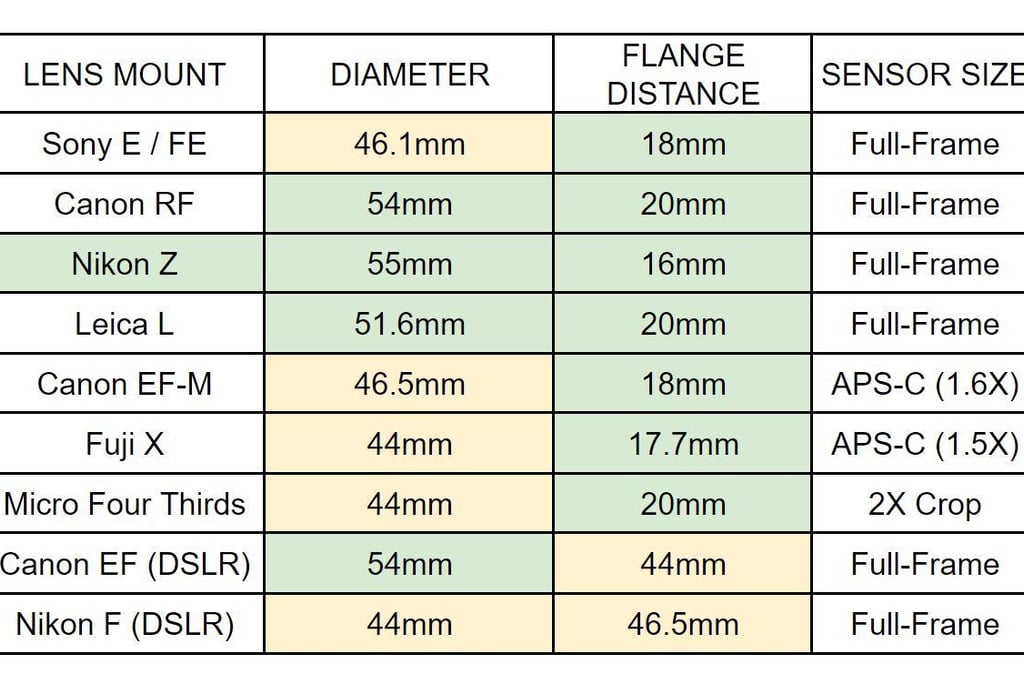
Canon EF mount – Used on Canon DSLRs
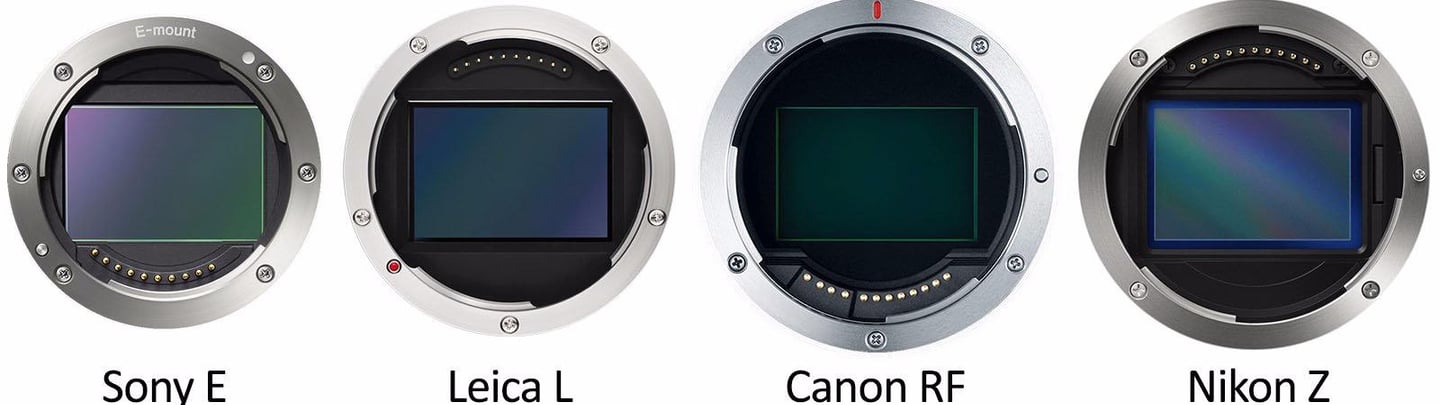
Canon RF mount – Canon’s newer mirrorless system
Nikon F mount – Longstanding Nikon DSLR mount
Nikon Z mount – Nikon’s mirrorless line
Sony E mount – Used across Sony mirrorless cameras
Fujifilm X mount – Popular for Fujifilm mirrorless systems
Tip: Your camera manual, camera body, or manufacturer website will always list your mount type.
Can You Use Adapters?
Yes—but with a few caveats.
Adapters allow you to use lenses from one mount on a different camera body. For example, many photographers use DSLR lenses on mirrorless cameras with adapters.
However:
Some adapters reduce autofocus speed
Others may not support all features
Image quality can vary depending on the adapter
Adapters can be incredibly useful—but they’re not always a perfect solution.
How to Check Your Camera Mount (Quick & Easy)
Before you click “buy,” take 30 seconds to confirm:
Look at your camera model (example: Canon 6D uses EF mount)
Search: “[your camera model] lens mount”
Double-check the lens listing for compatibility
A Simple Rule to Remember
Same brand doesn’t always mean same mount.
Newer cameras often use different mounts than older ones.
This is especially true as many brands have shifted from DSLR to mirrorless systems.
Final Thoughts
Understanding your camera mount is one of those small things that makes a big difference. It saves you time, money, and frustration—and helps you build a lens collection you truly love.
Whether you’re rediscovering photography, diving into film-inspired shooting, or capturing meaningful moments of family life, the right lens (that actually fits!) makes all the difference.