
Creating Dreamy Portraits
PHOTOGRAPHY
4/27/20265 min read
Understanding the Aesthetic of Soft Portraits
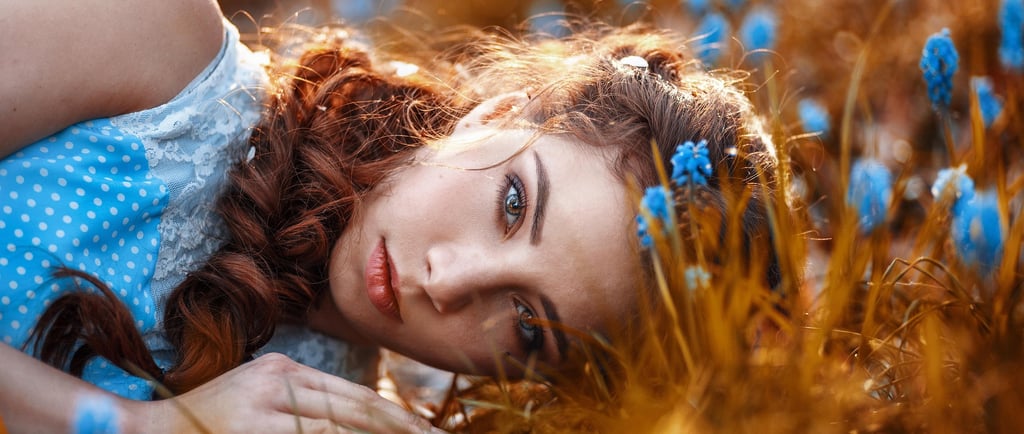
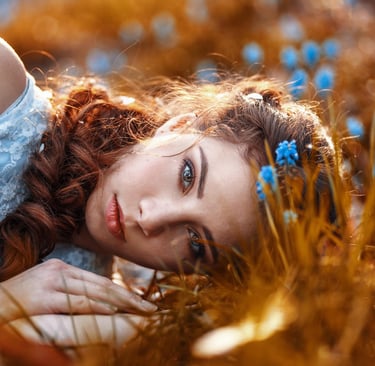
Soft portraits are characterized by their ethereal quality, which sets them apart from traditional, sharp images. The essence of a dreamy soft portrait is to evoke an emotional response, invoking feelings of nostalgia, warmth, or tenderness. Central to this aesthetic is the technique of soft focus, which blurs the details slightly to create a gentler, more romantic depiction of the subject. This manipulation of focus directs the viewer's attention to the overall atmosphere of the portrait rather than minute details, allowing for a more emotive interpretation.
The use of gentle color palettes enhances this aesthetic further. Soft pinks, pale blues, and muted earth tones tend to dominate the color schemes of such portraits, contributing to the delicate mood that they encapsulate. These colors not only provide a calming ambiance but also play a crucial role in shaping the sentimentality of the image. The right choice of hues can significantly transform a standard portrait into a soft and dreamy rendition.
Light is another essential element in crafting soft portraits. The quality of light used, often diffused or natural, accentuates the softness in the image. Golden hour light, for instance, casts a warm glow that complements the soft focus technique beautifully, further enhancing the dreamy quality. The interplay between soft light and the intentional blurring of details creates a harmonious balance that captivates the viewer.
In contrast to traditional sharp images that prioritize clarity and precision, soft portraits embrace the ambiguity of emotions and aesthetics. They converge at the intersection of fine art and photography, standing out in contemporary photography as a celebrated form of expression. The ability to evoke deep feelings through subtle imagery makes the soft portrait a treasured and compelling branch of photographic art.
Choosing the Right Lenses for Soft Portraits
When it comes to achieving dreamy soft portraits, selecting the right lens is crucial. Different lenses can dramatically affect the aesthetic of a photograph, particularly in the way they render softness and bokeh. Vintage lenses have gained popularity among portrait photographers for their unique characteristics, as they often produce a natural softness that is challenging to replicate with modern lenses.
One popular option among enthusiasts is the Helios lens, known for its distinctive swirly bokeh. The Helios 44 series, for example, offers that unique quality that can create an artistic feeling in portraits. The bokeh produced by this lens enhances the subject's focus while softly blurring the background, adding depth and intrigue to the composition. Similarly, Petzval lenses are celebrated for their ability to create a pronounced bokeh with sharp detail in the center. Their design allows for a captivating contrast between the focused area and the softly rendered background.
Another way to explore is dabbling with a LensBaby lens. Instead of uniform focus, many Lensbaby lenses create a “sweet spot” of sharpness surrounded by blur, giving photos a dreamy, selective-focus look. Photographers can often tilt, bend, or adjust the lens to move that sharp area around the frame.
They’re popular with hobbyists and professionals who want a more expressive style—especially in:
Portrait photography
Macro/close-up work
Fine art and abstract images
In short: Lensbaby lenses trade technical perfection for creative control and unique visual effects you can’t easily replicate with standard lenses or editing alone.
When utilizing these unique lenses, attention should be paid to several key aspects to optimize the soft portrait outcome. First, aperture settings are vital; a wider aperture, such as f/2.8 or even f/1.8, can produce significant softness by allowing for a shallow depth of field. This setting isolates the subject from the background, contributing to that dreamy feel. Additionally, the distance between the subject and the lens plays an important role; positioning the camera closer to the subject will accentuate the softness effect while allowing the background to dissolve into a gentle blur.
Ultimately, experimenting with various vintage and specialty lenses can elevate the quality of portraits and help craft emotional connections through visual storytelling. Each lens brings its own unique translation of softness, thereby offering endless creative possibilities for photographers seeking to enhance their portraiture.
Techniques for Achieving the Perfect Soft Effect
To create dreamy soft portraits, several techniques can be employed that effectively enhance the ethereal quality of the images. One of the most popular methods involves the use of diffusion filters, which can be attached to the camera lens. These filters work by scattering light and softening focus, effectively reducing harsh shadows and highlights. There are various types of diffusion filters available, ranging from soft-focus filters that create a gentle, blurred effect to more specialized options that maintain some sharpness while softening light. Utilizing these filters allows photographers to create a romantic and elusive look that can elevate portrait sessions.
Incorporating natural light plays a crucial role in achieving soft portrait aesthetics. Photographers should seek to shoot during the ‘golden hour’—just after sunrise or before sunset—when the sunlight is diffused, yielding a warm and flattering light. Additionally, using reflectors or diffusers can help in manipulating light, allowing for unprecedented control over how natural light interacts with the subject's features. This strategy not only enhances skin tones but also accentuates the overall ambience of the portrait, contributing to its dreamy quality.
In-camera techniques such as Intentional Camera Movement (ICM) can also add a distinctive soft effect. By swirling or moving the camera while capturing the image, photographers can create abstract, painterly renditions of their subjects. This technique requires practice but can yield stunning results that capture the essence of fleeting moments. Lastly, post-processing methods are invaluable for refining the soft aesthetic. Utilizing editing software to soften skin tones while enhancing the luminosity of the light can create a harmonious balance in the portrait. Adjusting clarity and vibrance carefully will contribute to an overall ethereal quality embodied in the final image.
Showcasing Your Soft Portraits: Tips for Presentation
Effectively presenting dreamy soft portraits requires careful consideration of various formats to engage and captivate viewers. The presentation of your work can elevate the emotional connection that viewers have with the subject, enhancing their overall experience. One fundamental aspect of showcasing soft portraits is the choice of printing. Opt for high-quality prints that accentuate the gentle hues and textures inherent in soft portraits. Consider using fine art papers, which can provide a tactile feel that complements the softness of your imagery.
Framing plays a crucial role in the presentation process. Choose frames that enhance the portrait without overpowering it; often, a simple, minimalist frame helps maintain the focus on the artistic qualities of soft portraits. Additionally, consider the use of matting, which can add depth and breathing room, allowing viewers to appreciate the delicate details of the work.
When displaying your portraits in galleries or online portfolios, ensure that the context enhances the viewer's understanding of the imagery. Incorporate storytelling elements through descriptions that invite viewers into the narrative behind the photograph. Explain the inspiration for each piece, the techniques used, or even the emotional resonance of the images. This not only necessitates thoughtful captions but can also extend to the arrangement of works in a gallery space, where the flow influences viewer engagement.
For digital presentations, ensure that your online portfolio is user-friendly, guiding viewers smoothly through your work. Use high-resolution images to maintain quality while allowing zoom features for detailed inspection. The integration of soft portraits into thematic collections can further deepen viewer interaction and satisfaction.
Ultimately, the presentation of your soft portraits greatly impacts their reception. By focusing on quality printing, thoughtful framing, and engaging storytelling, you can evoke emotions and create a lasting impression that resonates with your audience.
Affiliate links may be included. I may earn a small commission at no cost to you.


The Lensbaby Pro Effects Kit for Canon with Composer Pro is a compelling choice for photographers who want to go beyond standard, sharp-everywhere images.
The Lens Baby lenses create unique, artistic photos with a distinct "sweet spot" of sharp focus surrounded by gradual, dreamy blur — impossible to replicate in post-processing
Lets you tilt and shift the focal plane to create unusual perspectives and slice-of-focus effects