
Capturing Spring’s Quiet Magic
Photographing Blossoms with a Macro Lens
PHOTOGRAPHY
4/8/20262 min read
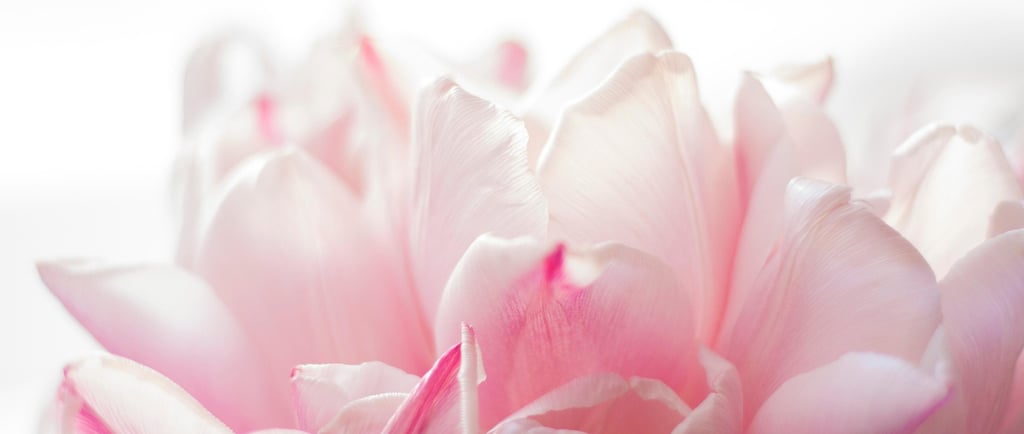
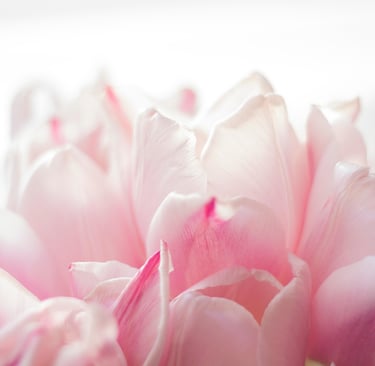
There’s a moment each spring when the world softens. Tiny buds unfurl into delicate blossoms, trees blush with color, and suddenly everything feels fresh and fleeting all at once. It’s the kind of beauty that begs to be noticed—and even more, to be captured. That’s where a macro lens becomes something truly special.
Seeing What Others Miss
Macro photography invites you to slow down. What looks like a simple blossom from a distance becomes an intricate world up close—paper-thin petals, pollen dusted like gold, veins that resemble tiny roadmaps. A macro lens doesn’t just take pictures; it reveals details your eyes might otherwise overlook. It turns a walk through the yard into a quiet treasure hunt.
Light is Everything
Spring light can be your best friend if you learn to watch it. Early morning and late afternoon offer the softest glow, wrapping blossoms in gentle warmth without harsh shadows. Overcast days are just as magical—clouds act like a natural diffuser, giving you even lighting and rich color. If the sun is strong, try using your body or a simple diffuser to soften the light. Blossoms photograph best when the light feels as delicate as they are.
Get Close… Then Get Closer
Macro photography is all about proximity, but also patience. Move in slowly. Let your lens find the focal point—whether it’s the center of the flower, a cluster of stamens, or a single petal catching the light. Don’t be afraid to experiment with angles. Sometimes the most beautiful image isn’t straight on, but from the side or slightly underneath. And remember: even the slightest movement matters at this distance.
Depth of Field: The Secret to That Dreamy Look
One of the most beautiful effects in macro photography is that soft, blurred background—what photographers call bokeh. Using a wider aperture (like f/2.8 to f/5.6) helps isolate your subject and creates that dreamy feel. Just keep in mind that your depth of field becomes very shallow, so choose your focus point carefully. A single sharp detail surrounded by softness can be far more powerful than trying to capture everything at once.
Embrace Imperfection
Not every blossom is pristine—and that’s okay. A petal with a tiny tear, a bit of pollen out of place, or even a visiting insect can add character and story to your image. Spring isn’t staged; it’s alive. Let your photos reflect that authenticity.
Keep It Steady
When you’re working this close, even your breathing can affect the shot. If you can, use a tripod for stability. If you’re shooting handheld, try to brace yourself and gently control your movement. A faster shutter speed can help reduce motion blur, especially on breezy days.
Chase the Fleeting Moment
Spring blossoms don’t last long—and that’s part of their magic. There’s something meaningful about capturing them while you can. Each photo becomes a way of holding onto a moment that would otherwise pass too quickly.
Final Thoughts
Photographing spring blossoms with a macro lens isn’t just about technique—it’s about presence. It’s about slowing down enough to notice the small things. The quiet details. The beauty that exists for only a short while each year.So grab your camera, step outside, and get a little closer. You might be surprised at what’s been waiting for you all along.